

STRATA NEWS
BUILT ON EXPERIENCE: WHERE PLANNING & LANDSCAPE ARCHITECTURE COME TOGETHER
Built on experience. Guided by perspective. Connected through collaboration.
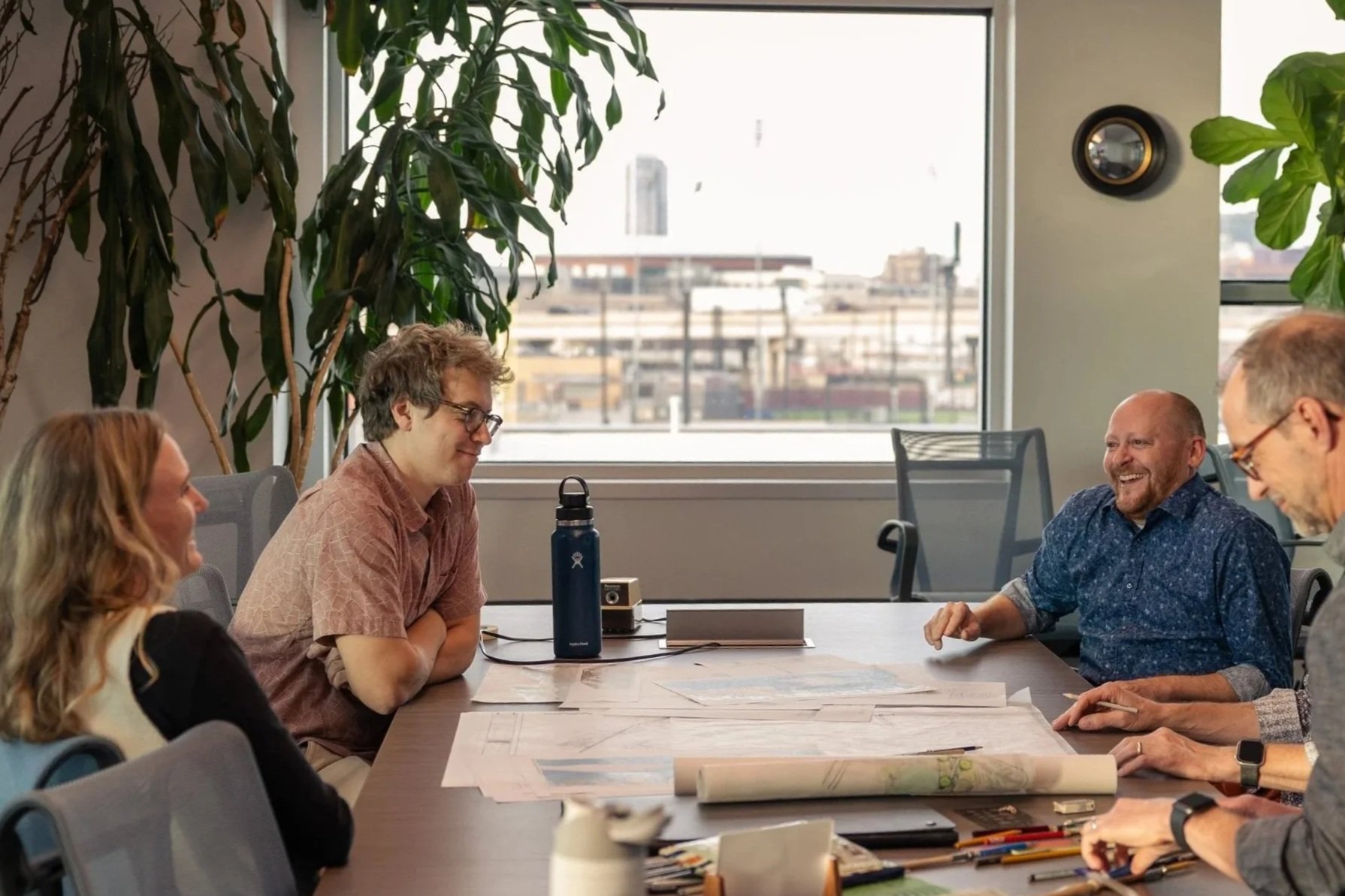
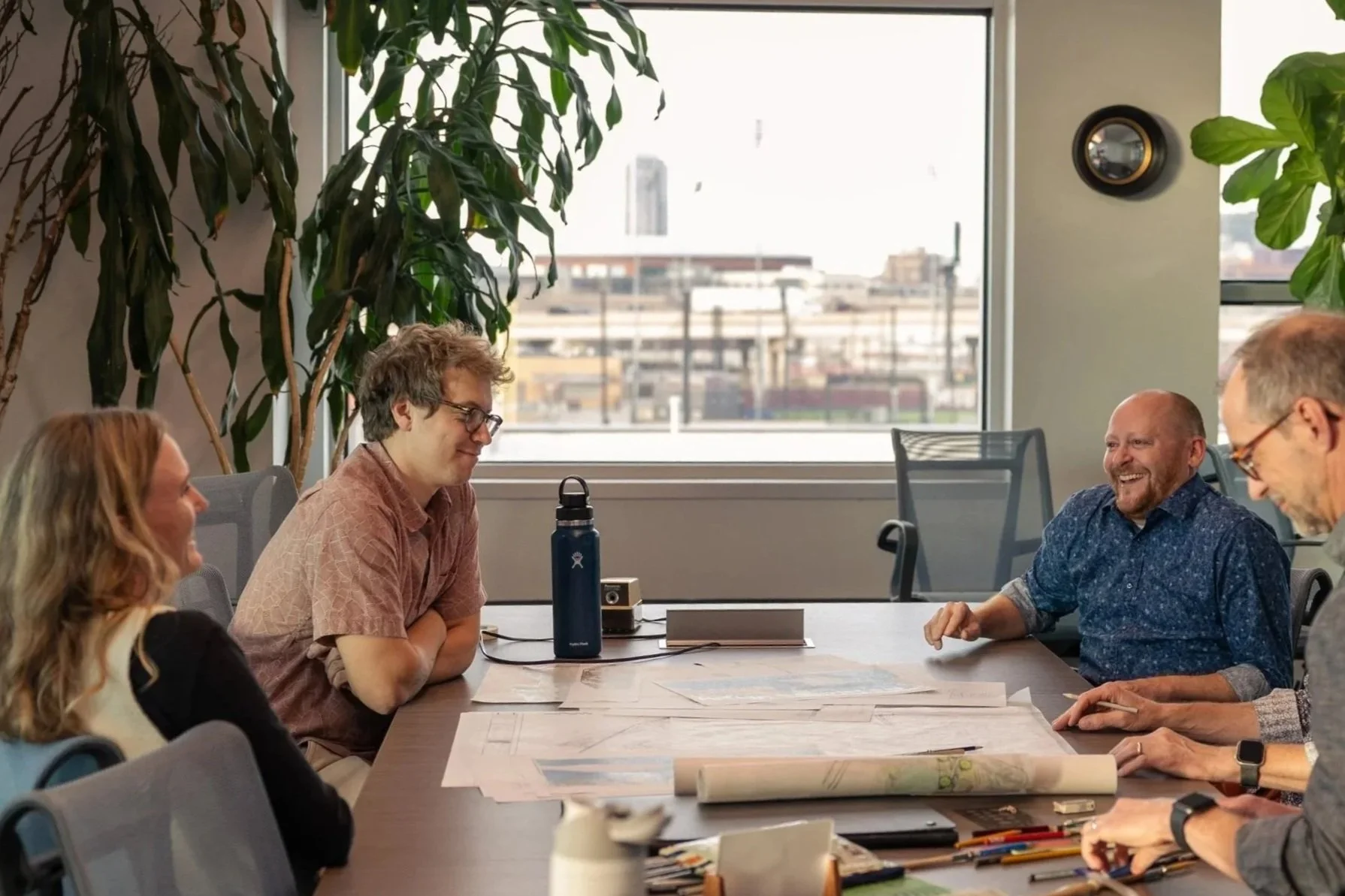
Strata is a young firm by name, but the work behind it is shaped by years of experience, perspective, and shared learning. Across land planning and landscape architecture, our team brings a foundation built over time; projects, challenges, and moments that continue to influence how we approach our work today.
In honor of World Landscape Architecture Month, we’re reflecting on how these experiences come together through collaboration, where planning and design inform one another to create thoughtful, connected places. The following highlights offer a look at the perspectives that continue to guide our work at Strata.
A FOUNDATION OF PRECISION
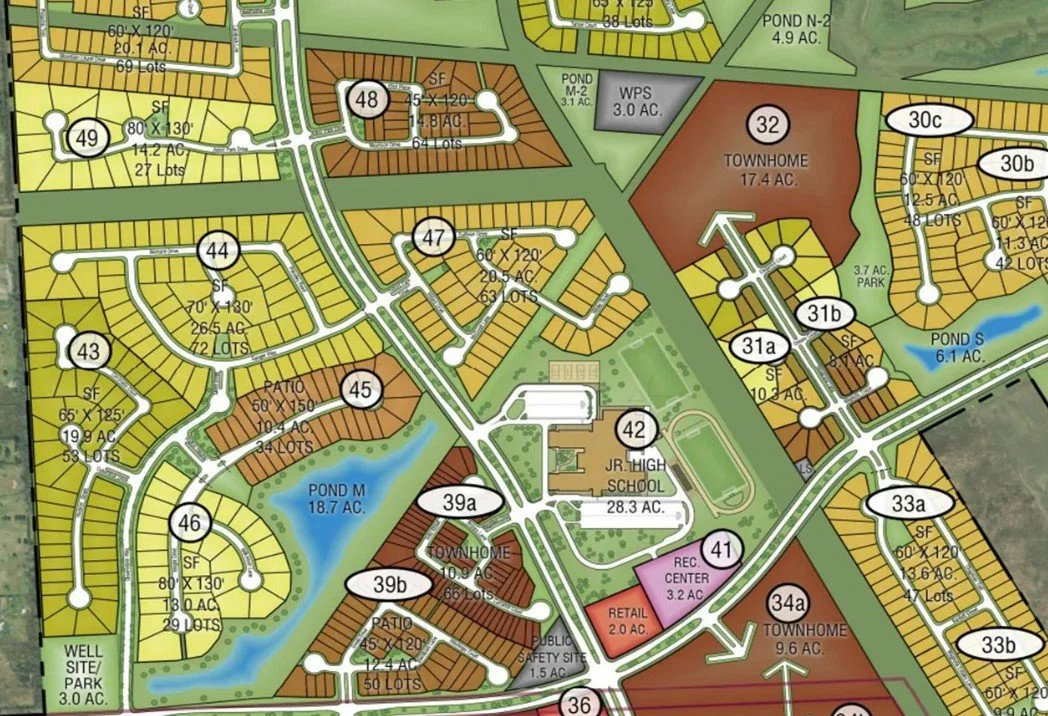
Early in her career, Paige Lipetska contributed to the planning of Meridiana, a 2,600-acre master-planned community in Manvel, Texas, encompassing single and multi-family neighborhoods, commercial areas, parks, open space, and schools. Working as a land planner on a project of that scale required precision. Strict municipal regulations meant that every lot dimension and street alignment would be carefully reviewed, reinforcing the importance of accuracy and thoughtful coordination from the outset.
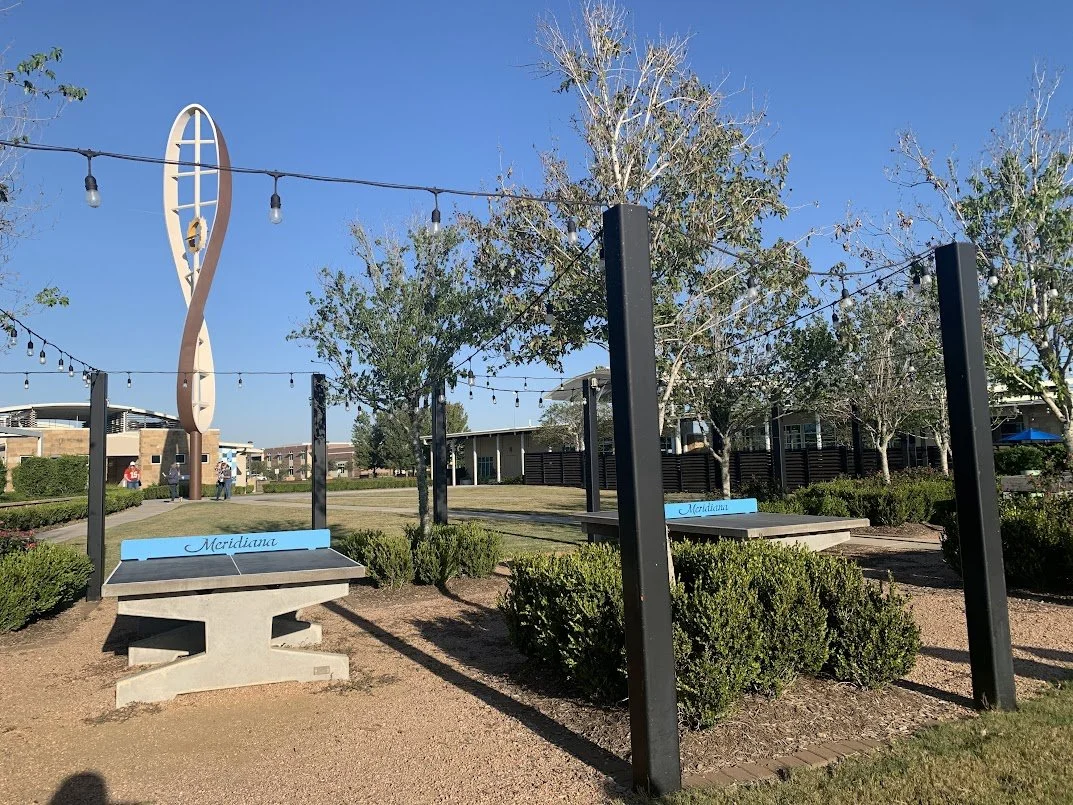
That experience continues to inform how Paige approaches her work today at Strata, contributing to a more coordinated and thoughtful design process across departments. She begins each project with a thorough understanding of jurisdictional requirements, knowing that early alignment with local standards streamlines approvals and prevents unnecessary redesign. The discipline she developed, balancing client goals with regulatory expectations, remains foundational to her process and ensures that strong ideas are supported by sound planning from the start.
BALANCING DESIGN & COMPLEXITY
In 2024, Tyler Londono led the design of the Anythink Nature Library in Thornton, his first independently managed project and the largest he had taken on at the time. Working with a client who was deeply invested in the landscape made the experience especially meaningful, reinforcing a shared commitment to creating a space rooted in nature and community. The project brought design and coordination challenges, including managing input from a broad team of consultants. Balancing a range of perspectives while advancing a cohesive design required both technical understanding and thoughtful communication throughout the process.
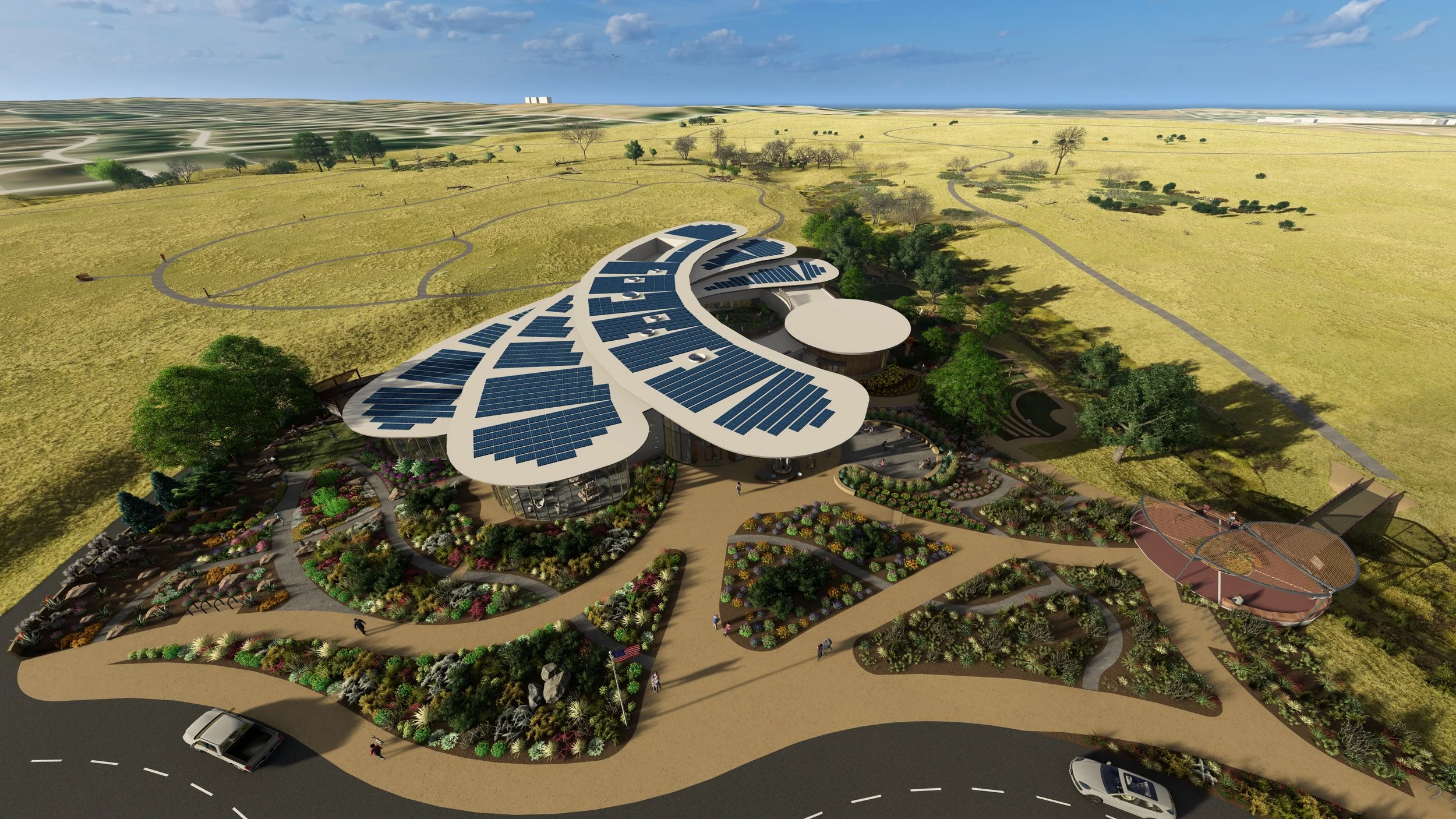
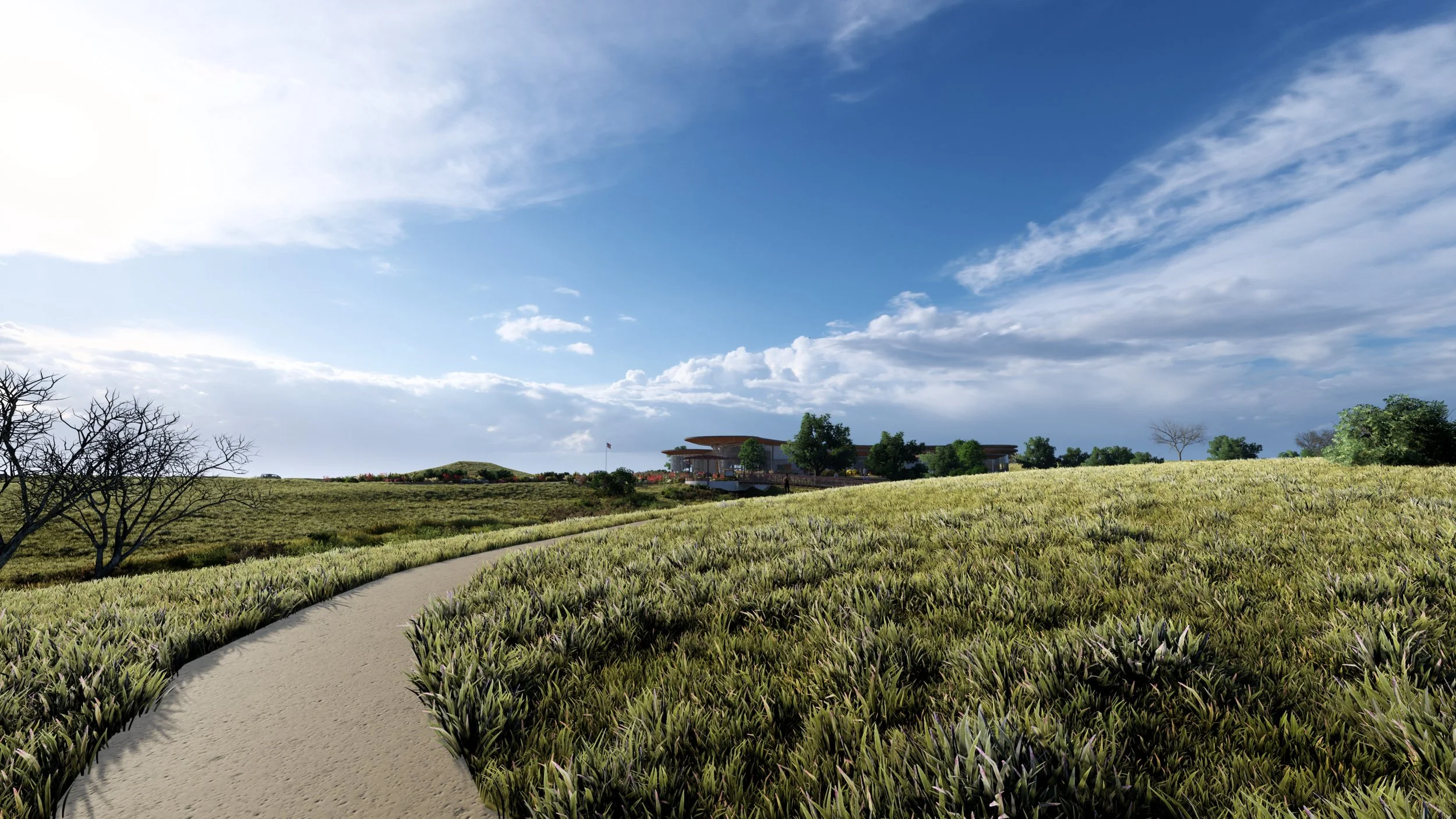
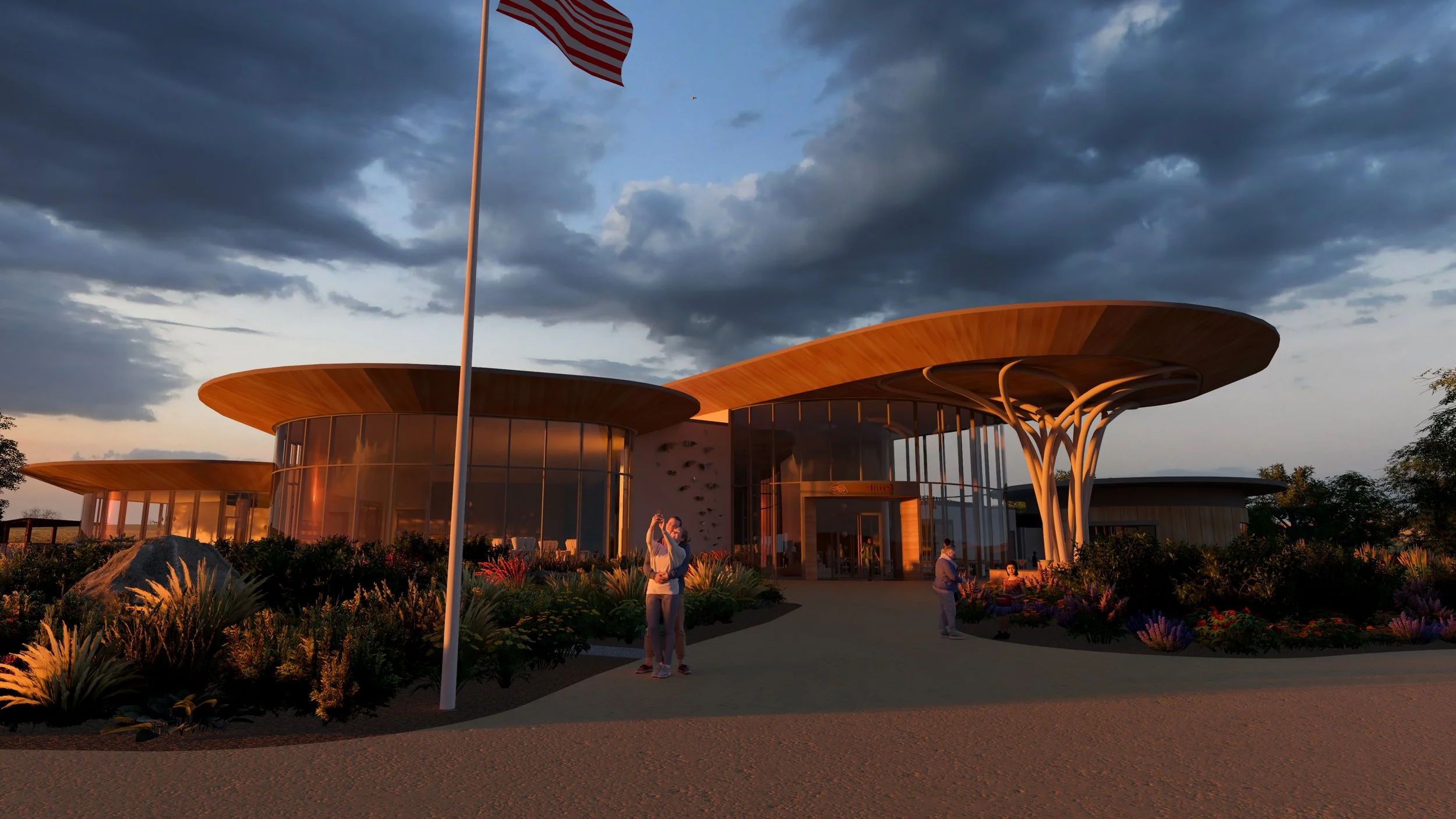
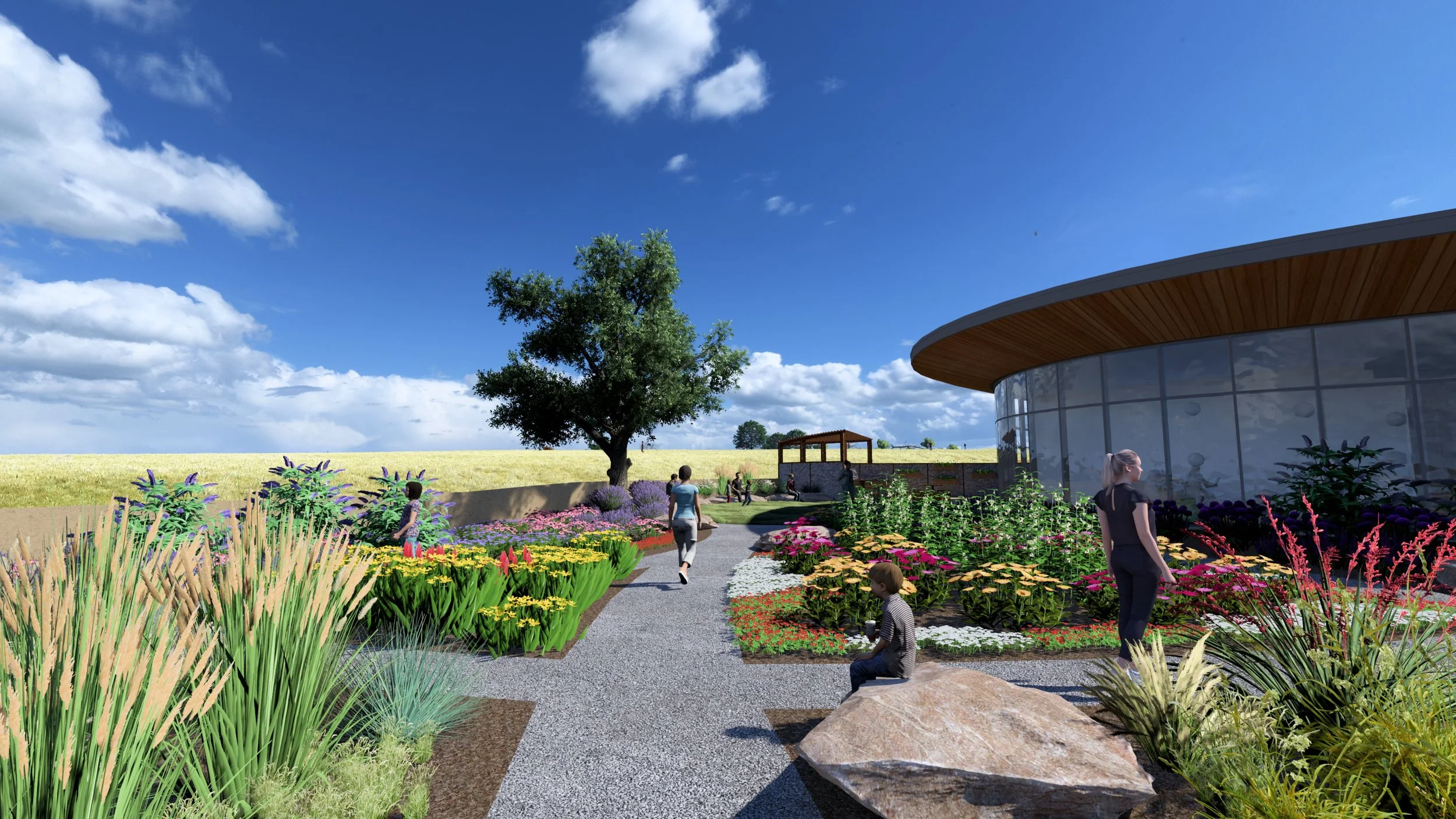
Today, Tyler carries that experience into a collaborative, solutions-focused approach to design. His ability to navigate project complexity and coordinate across teams supports a process that is both efficient and responsive. He continues to focus on creating landscapes that invite exploration and connection, contributing to environments that feel intentional, engaging, and grounded in their context.
PLANNING AT SCALE
With over 25 years of experience, Eric Sakotas has contributed to a range of large-scale master planned communities, including Ladera Ranch, a mixed-use project that introduced both design complexity and evolving ways of working. As a project designer, he helped transition the team from hand-produced graphics to digital tools, improving efficiency and elevating how ideas were communicated. The project itself stood out for its forward-thinking approach, prioritizing open space, trail connectivity, and one of the largest photovoltaic communities of its time, while creating a cohesive yet diverse collection of neighborhoods.
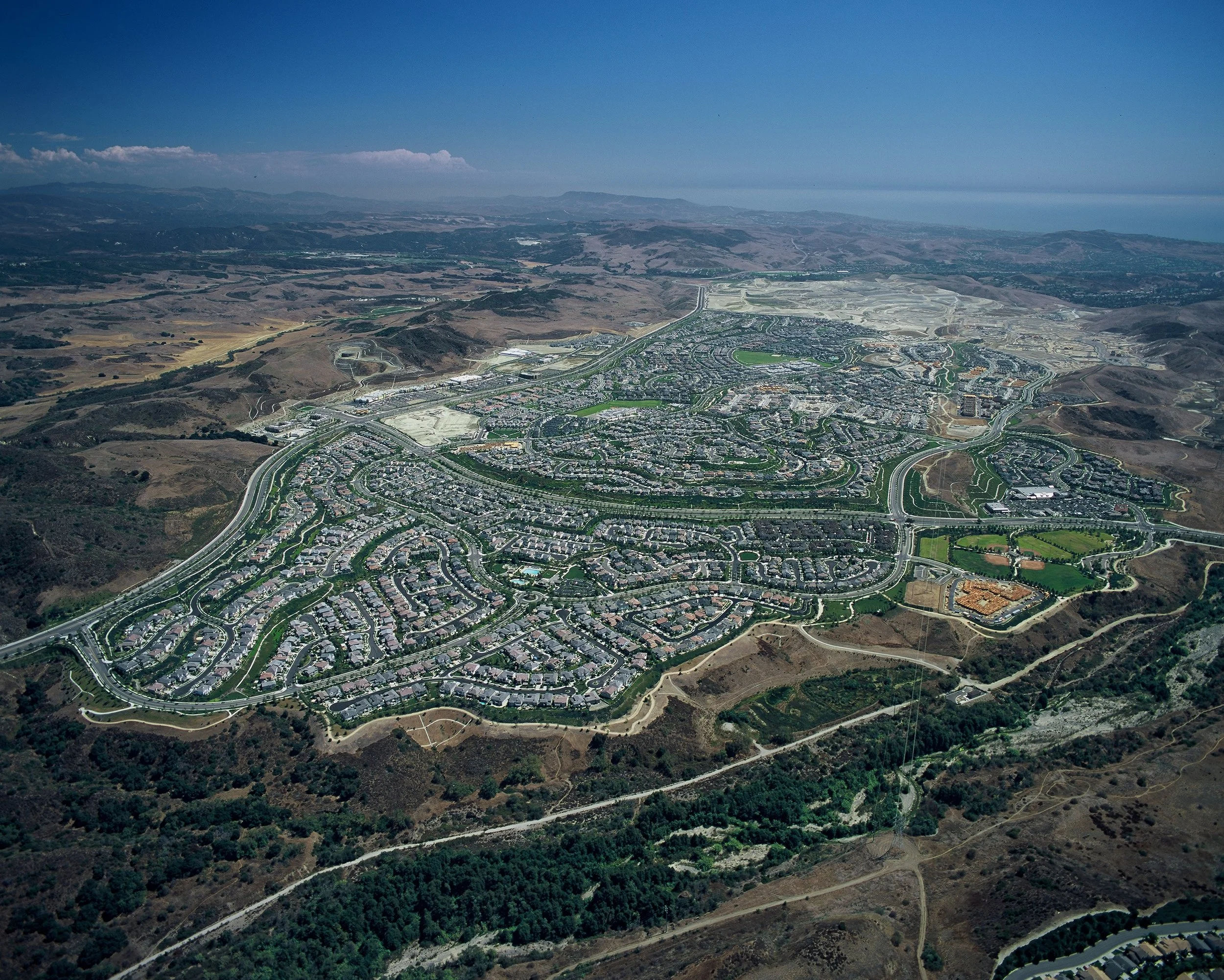
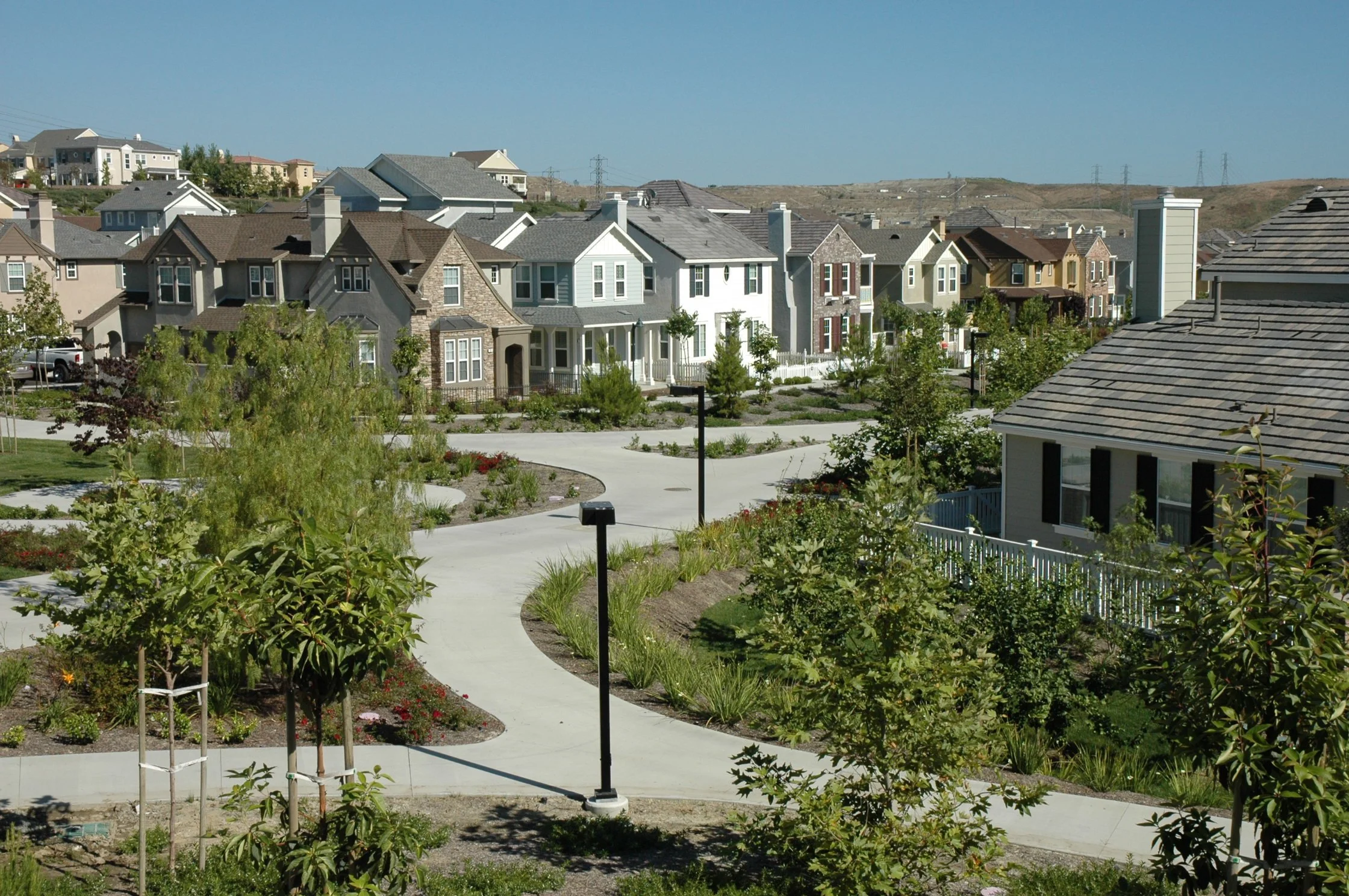
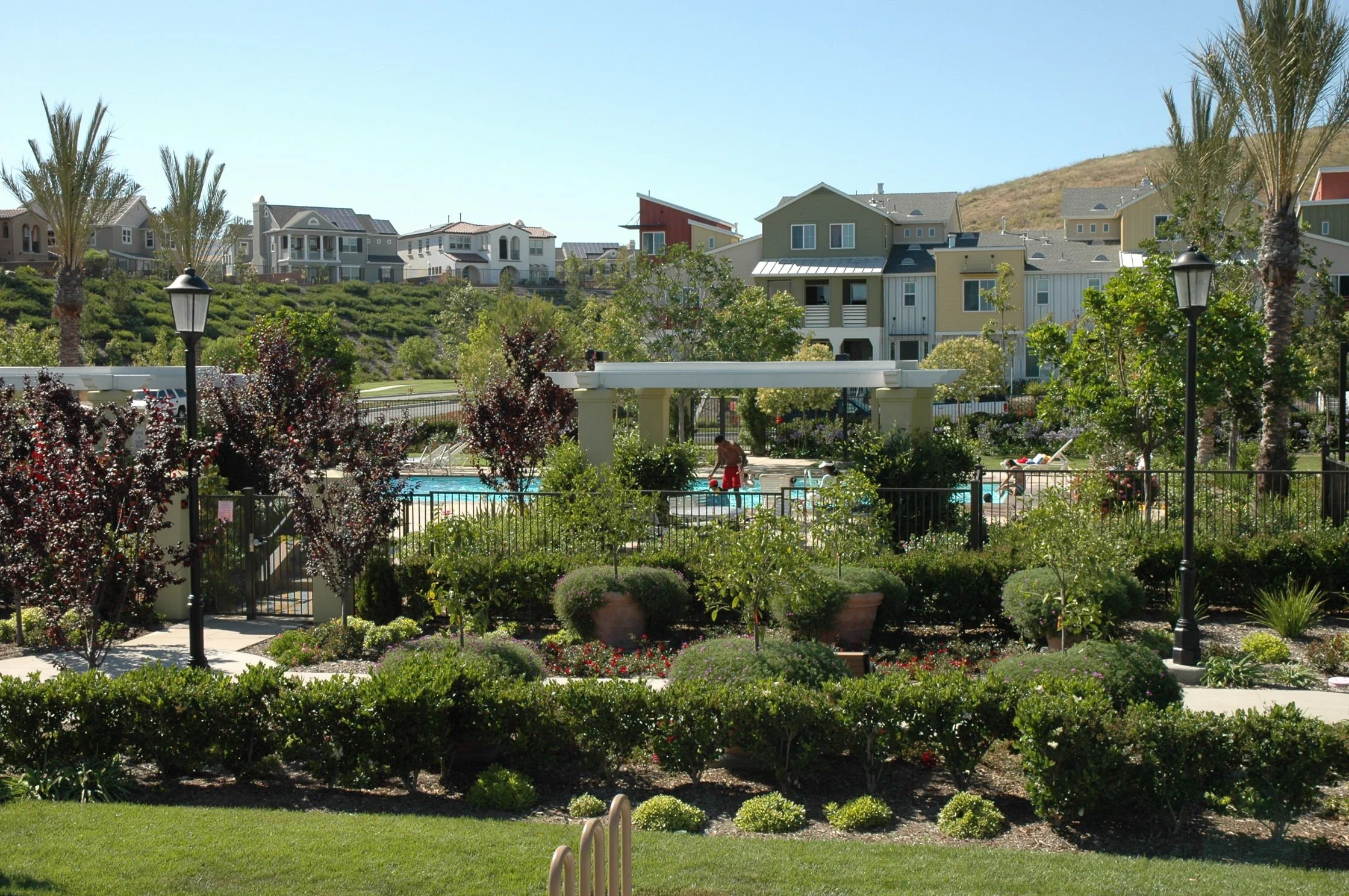
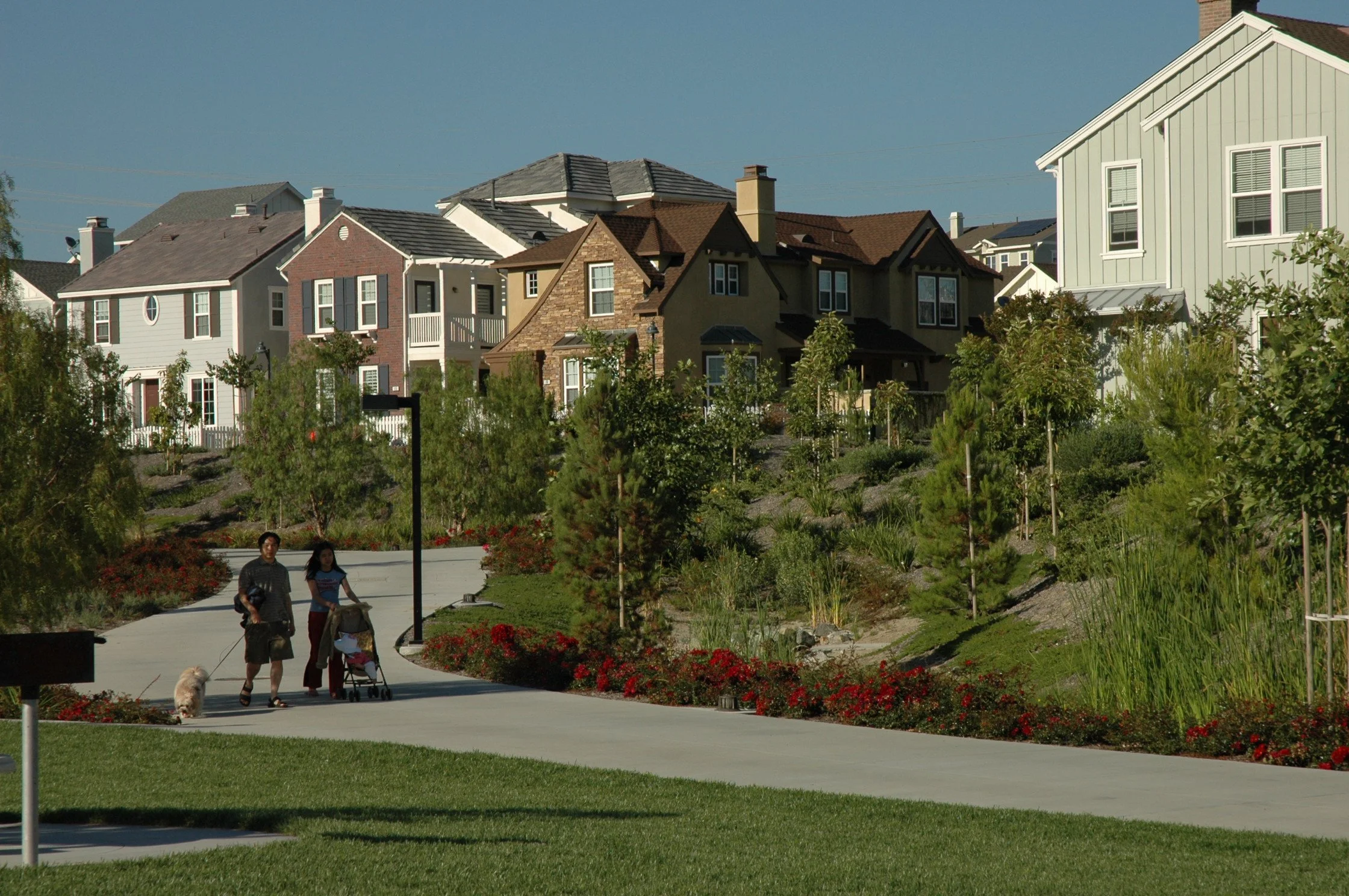
That experience continues to inform Eric’s work at Strata today. His approach emphasizes value-driven design that prioritizes people, open space, and connectivity from the earliest stages of planning. By combining big-picture thinking with thoughtful design frameworks, he contributes to a collaborative process where planning and landscape architecture work together to create places that are both functional and memorable.
THE POWER OF PLACE
Performance Park in Estes Park, Colorado stands out as a defining project in Terry Stone’s career. As Project Manager, he led the design and implementation of the challenging one-acre park and amphitheater from schematic design through construction. Set within a highly constrained site and bounded by a steep cliff face and a river, the project required careful problem-solving to create space for an open-air performance venue, seating, and access, all while responding thoughtfully to its surroundings.
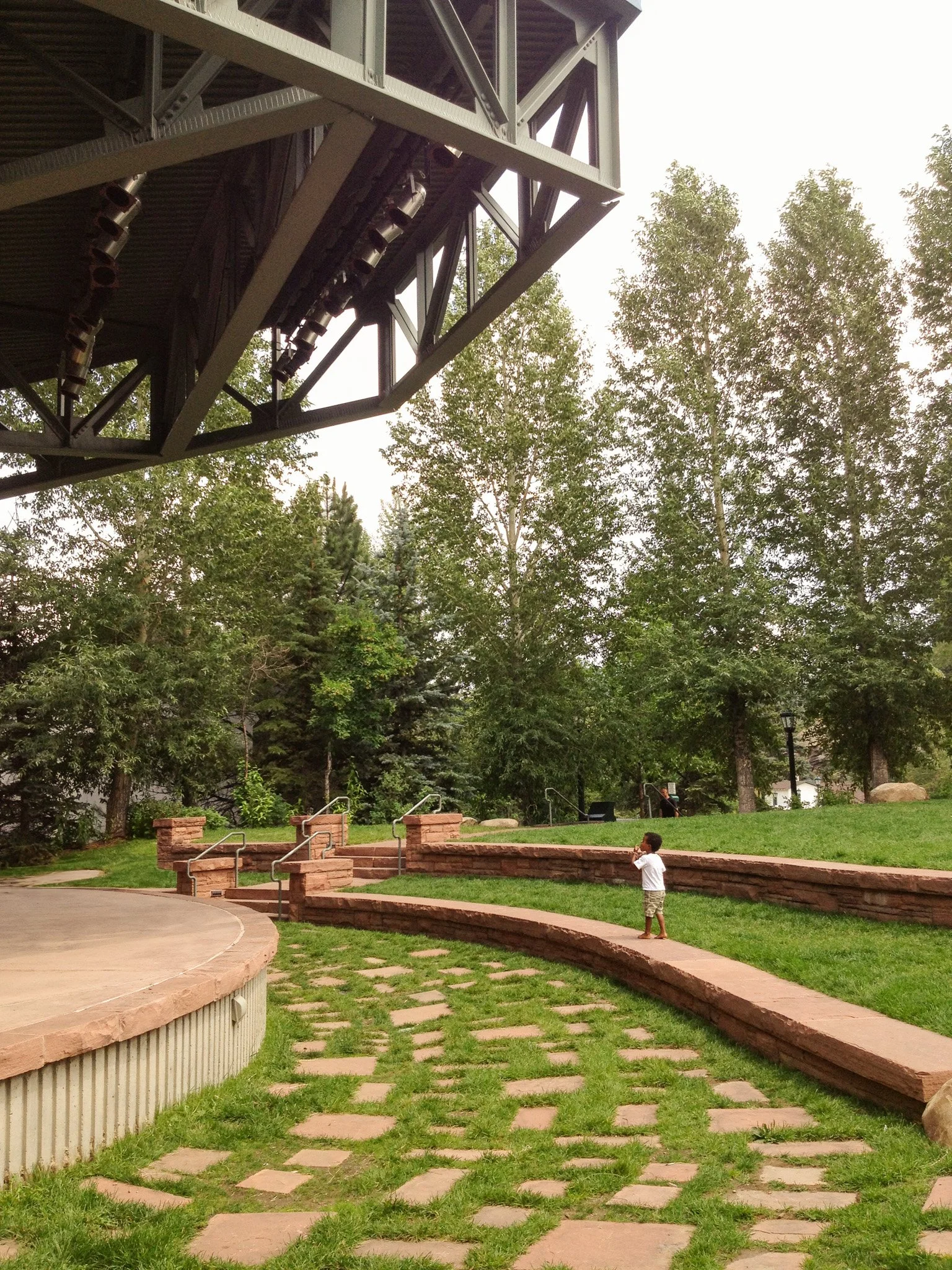
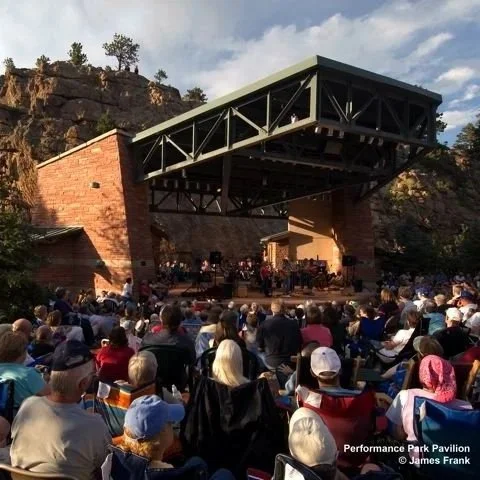
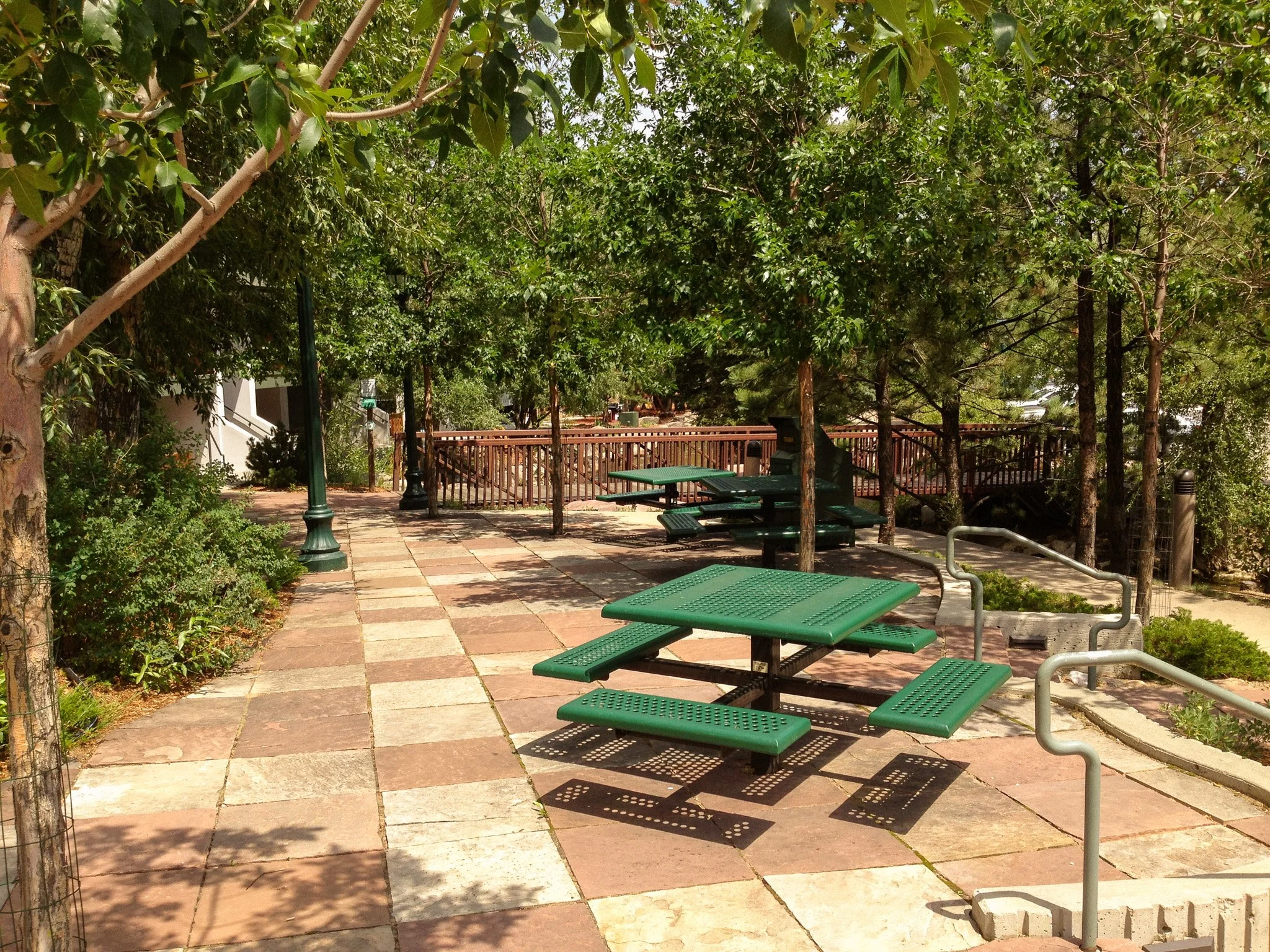
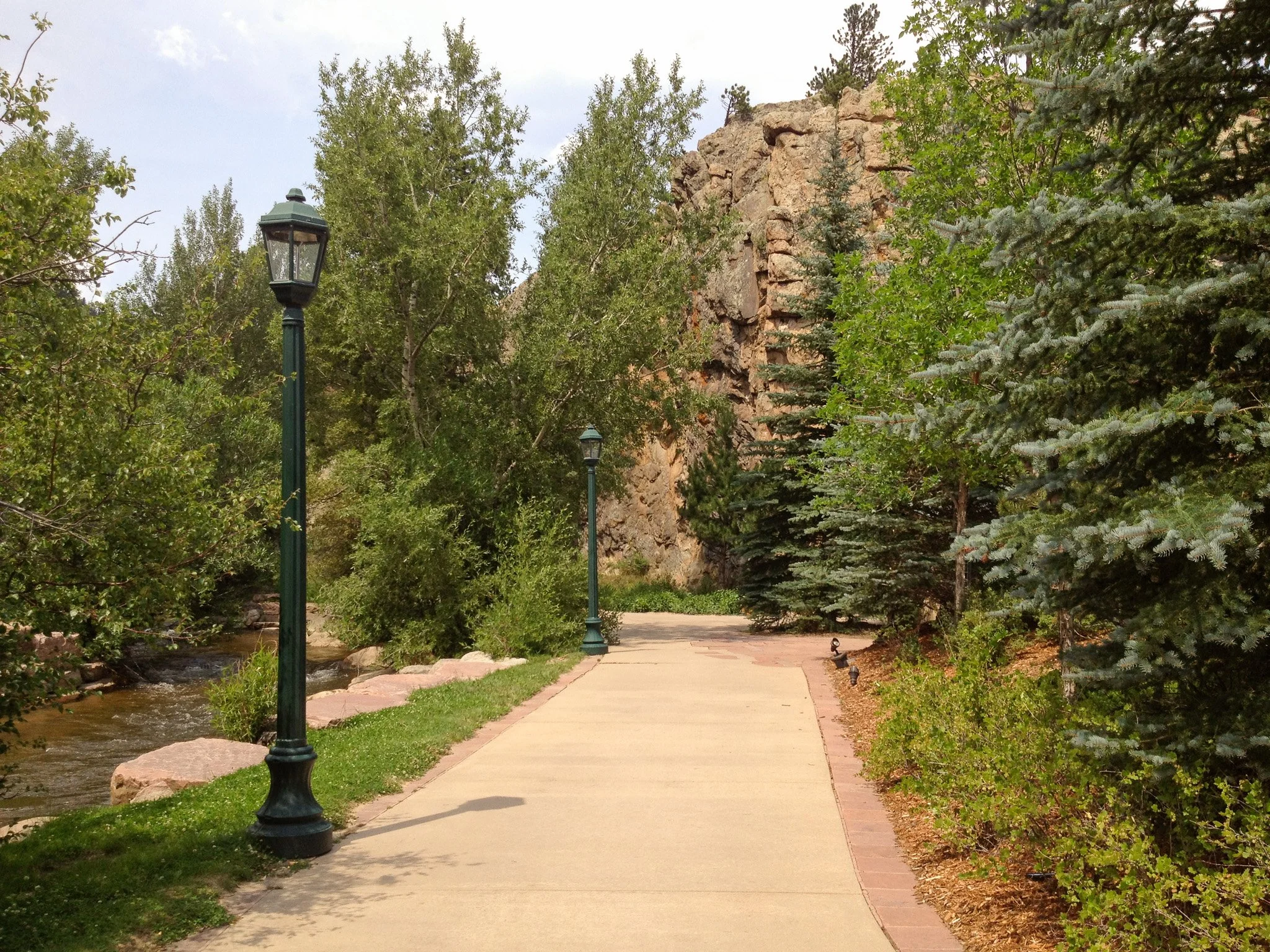
What continues to resonate is the experience the space creates. On opening day, the amphitheater was filled with people of all ages, and Terry was able to get a bird’s eye view from a cherry picker. “Taking it all in and the buzz of excitement from the community still makes me smile,” he recalled. That moment captured the impact of a space designed with purpose and connection in mind. Today, Terry brings that perspective into his role at Strata, emphasizing flexibility, attention to detail, and time spent understanding each site. His approach is grounded in placemaking, where design intent, context, and relationships come together to create spaces that reflect the communities they serve.
Across each of these perspectives, a consistent thread emerges: the value of experience and the importance of working across disciplines. From early project challenges to current practice at Strata, planning and landscape architecture continue to inform one another in meaningful ways, strengthening both process and outcome.
In recognition of World Landscape Architecture Month, this reflection is not just about individual projects, but about how collaboration shapes the work behind them. It is through this shared approach that ideas evolve into places that serve communities and bring people together.